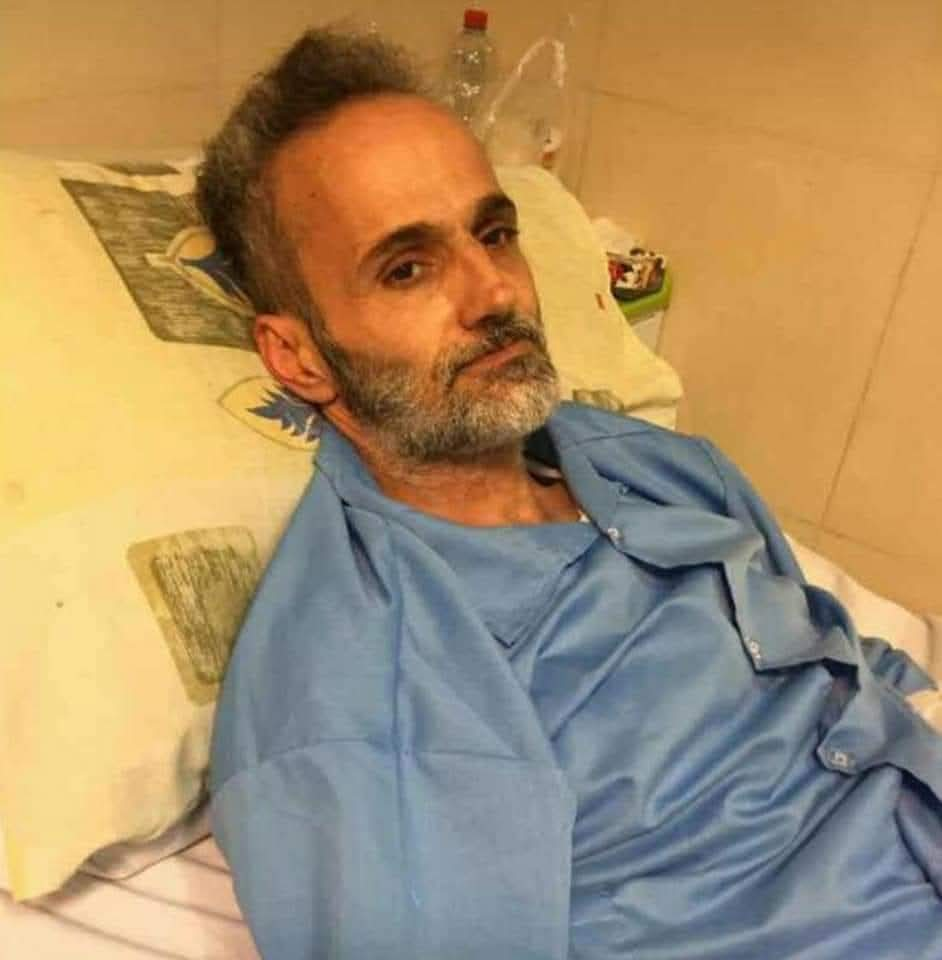
According to reports by Ahwazi human rights activists, the physical condition of “Ali Soweidi”, an Ahwazi Arab prisoner of conscience held in Ward 8 of Sheiban Central Prison in Ahwaz, has significantly deteriorated. He is being held alongside dozens of other Sunni prisoners under conditions marked by discrimination and denial of access to adequate medical care—conditions that human rights advocates describe as a serious violation of prisoners’ rights.
According to these reports, Ali Soweidi was arrested on 3 October 2018 in the village of Al-Hajijeh, a rural area in Khafajiyeh County, along with his three cousins—Abdullah, Ahmad, and Jassim Soweidi. Approximately one year after his arrest, he began suffering from severe pain in both kidneys. Since then, his condition has progressively worsened, yet he has continued to be denied proper medical treatment.
Reports indicate that on Sunday, 19 April 2026, Ali Soweidi lost consciousness inside the prison and was transferred to a hospital. However, at the time of writing, no official information has been released regarding his health status, the cause of his collapse, or the course of his treatment. His family remains completely uninformed.
Human rights activists state that his case reflects a broader and deeply concerning pattern. Numerous reports have previously documented the denial of medical care to Sunni prisoners held in Ward 8 of Sheiban Prison. At least 13 Sunni prisoners—including Alireza Farisat, Wissam Mazraeh, Yousef Saadi, Qassem Borowayeh, Mohammad Al-Hayi, Hassan Naami, Ali Kaabi, Mohammad Bavi, Towfiq Baldi, Ali Soweidi, Hafez Salamat, Adel Badawi, and Abbas Sawaedi—are reportedly suffering from serious medical conditions while being deprived of access to specialized healthcare.
These prisoners suffer from a range of illnesses, including heart disease, diabetes, spinal disc conditions, tumors, and severe physical injuries. However, according to informed sources, the prison’s medical facilities are limited to basic care, and requests for transfer to external medical centers are routinely denied by the responsible authorities.
Human rights activists describe this situation not merely as a lack of medical services, but as a systematic violation of prisoners’ fundamental rights and an example of inhuman treatment and gradual torture—particularly affecting Sunni prisoners in Sheiban Prison.