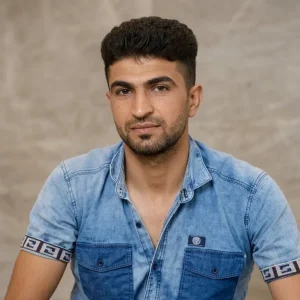
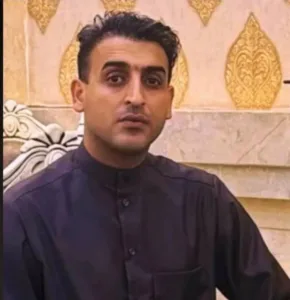
Reports received by the Karun Human Rights Organization indicate that two prominent Ahwazi Arab cultural figures — Hossein Jalal (director) and Ali Hamedi (artist and singer) — were released only after being forced to record and publish videos of “apology” and “regret” following their arrest and severe psychological pressure.
Their detention came after the release of the music video “Zelmeh” (“Our Men”), a work emphasizing the cultural identity and resistance of Ahwazi Arabs, which received tens of thousands of views in less than a week and resonated widely within the Ahwazi Arab community.
Pressure, Threats, and Conditional Release
Local sources confirm that during detention, the artists were subjected to threats against family members, intense psychological pressure, threats of serious security charges, and various forms of humiliation. Security forces made their release contingent upon removing the music video and recording videos in which they portrayed the artistic work as a “mistake” or implicitly denied the cultural protests and demands of the Ahwaz community.
In the video released by Ali Hamedi, he appears pale and broken in tone, saying:
“The song I performed was not to the liking of some under the current conditions… I was wrong, I apologize… forgive me.”
Similarly, Hossein Jalal, in a video showing clear signs of stress and anxiety, states:
“The song we released upset many people and caused problems for us, so I apologize for recording and publishing it. I was wrong.”
Human rights activists note that the physical appearance, speech tone, and tightly controlled setting of these videos are clear indicators of coercion, entirely consistent with the well-documented pattern of forced televised confessions in Iran, condemned by international human rights bodies for years.