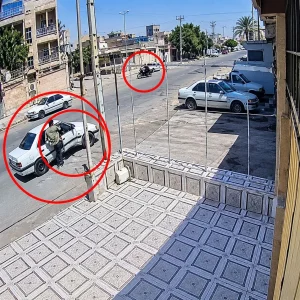
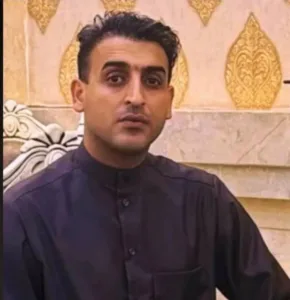
On the evening of Wednesday, 5 Azar 1404 (26 November 2025), an Ahwazi Arab resident of “Grater Ghezawieh” , identified as Zowad Naseri (also known as Abdulhossein al-Mo’atouq Al-Jubour), died by hanging after prolonged unemployment, extreme poverty, and his inability to provide for basic living expenses.
The incident occurred around 4 pm in this village located 10 km east of the Karun River, an agricultural area that in recent years has faced worsening droughts, the destruction of palm groves, and deepening economic crises. Residents report widespread unemployment and discriminatory hiring practices that have placed severe pressure on many heads of households.
According to relatives, Naseri had repeatedly spoken in recent months about unbearable living conditions, rising debts, and the lack of job opportunities—circumstances that ultimately “pushed him toward this tragic end.”
Human-rights activists and local sources report that at least eight cases of suicide or self-immolation linked to poverty and unemployment have been recorded in Ahwaz and surrounding cities so far in 2025. Experts describe these incidents as a clear indicator of mounting social and economic pressures on residents of the Ahwaz region.
This comes despite the area—often called the “land of black gold”—being rich in oil and gas resources and historically fertile farmland. For years, residents have faced structural poverty, chronic unemployment, discriminatory hiring policies, and severe environmental degradation—conditions that have made suicide one of the painful expressions of the population’s silent protest.