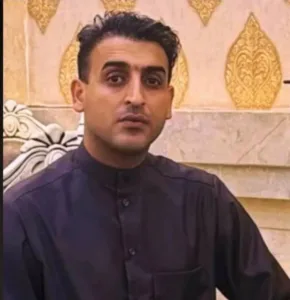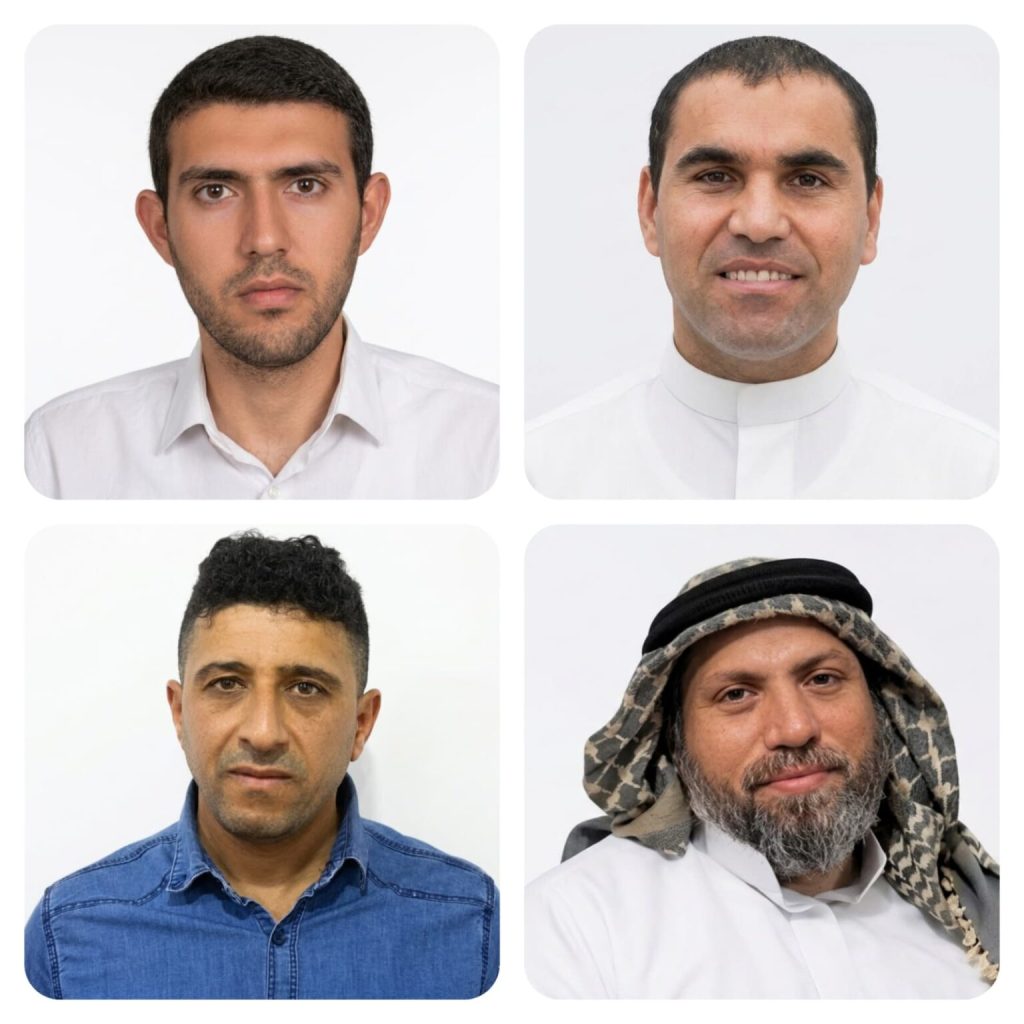
According to reports received by the Karoon Human Rights Organization, the life sentences of four Ahwazi Arab political prisoners have been reduced to 25 years and one month after they had already served 21 years in prison, following the application of a pardon.
These individuals have been held in detention since the autumn of 2005 and are currently imprisoned in Sheiban Prison in Ahwaz and in Arak Prison.
The four political prisoners — Nazem Breihi, Yahya Nasseri (Nawasseri), Zuhair Helichi (Abdulzahra Helichi), and Abdul-Imam Zaeri — were arrested during a large wave of detentions in 2005 by security forces. Their judicial process indicates that they were subjected to months of solitary confinement and severe physical and psychological pressure aimed at extracting forced confessions. They were subsequently tried in non-transparent proceedings that fell short of fair trial standards and were ultimately sentenced to life imprisonment on serious security-related charges.
Over more than two decades, these prisoners have been systematically deprived of basic rights, including access to medical care and eligibility for lawful furlough.
Profiles of the prisoners:
Nazem Breihi: Before his arrest, he was a seminary student and a local cultural and religious activist. Arrested at a young age, he has repeatedly suffered serious health deterioration during imprisonment, compounded by the authorities’ refusal to provide specialized medical care.
Yahya Nasseri (Nawasseri): After his arrest in 2005, he spent months in solitary confinement under intense interrogation. He was also subjected to punitive measures during the Sheiban Prison unrest in April 2020, including solitary confinement, increased restrictions, and complete denial of family contact.
Zuhair Helichi (Abdulzahra Helichi): Arrested in his early twenties, he was sentenced to capital punishment by the Revolutionary Court on charges including “actions against national security” and “enmity against God.” His case is widely cited as an example of prolonged detention during what should have been his most productive years.
Abdul-Imam Zaeri: Reports indicate a continued deterioration in his health due to severe gastrointestinal illness and dental infections. Repeated denial of transfer to external medical facilities has placed his life and well-being at serious risk.
The Karoon Human Rights Organization, while reporting this sentence reduction, reiterates that judicial rulings based on confessions obtained under coercion and without access to independent legal counsel during early interrogation stages lack legal validity. It further emphasizes that more than two decades of imprisonment under harsh conditions and sustained violations of fundamental rights constitute clear instances of cruel and inhuman treatment.
The organization calls on the international community and human rights bodies to urgently address prolonged imprisonment, unfair trials, and the deteriorating conditions of Ahwazi Arab political prisoners, and to demand accountability from responsible authorities.