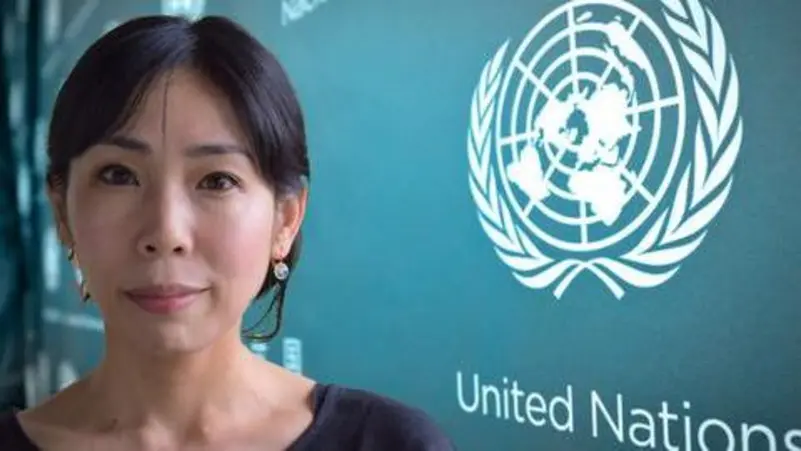
Mai Sato, the UN Special Rapporteur, announced on Thursday, February 12, 2026, that in the weeks leading up to Iran’s nationwide protests, she had engaged in official correspondence with the Iranian regime concerning serious human rights violations.
She stated that these communications focused on three main issues:
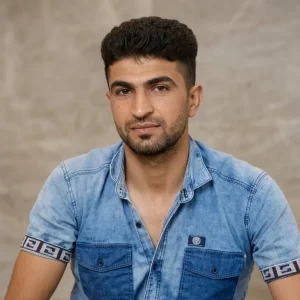
- Ehsan Faridi, a mechanical engineering student sentenced to death on charges of “corruption on earth”. The death sentence was issued based on intelligence reports and the prosecutor’s indictment.
- Zahra Shahbaz Tabari, a 67-year-old electrical engineer, sentenced to death on charges of “armed uprising against the state”, despite the fact that her trial lasted less than ten minutes and the main evidence against her consisted solely of a piece of fabric bearing a protest slogan.
- Prison conditions, including Qarchak, Ghezel Hesar, Sheiban, and Lakan prisons, involving reports of deaths in custody, torture, executions without prior notice, and denial of family contact.
Sato emphasized that the Iranian regime’s response to these communications consisted of rejecting the allegations and insisting on the legality of judicial procedures. However, she warned that the risk of execution for Faridi and Tabari remains imminent, and that patterns of human rights violations observed in these cases have recurred on a wider scale following the nationwide protests.
She added that reports of forced confessions and severe detention conditions continue to emerge, while the exact number of people arrested, convicted, or executed remains unknown. Although official figures claim more than 3,000 deaths, civil society sources believe the real number is significantly higher.
In closing, Mai Sato referred to lives irreversibly affected by the repression, citing the case of a teenage boy killed during the protests, who had written in his diary months earlier:
“Today is the last day of summer, and I’m excited for tomorrow because it’s the first day of school. In my new school, I’ll study electronics related to electricity. I hope a bright future awaits me and my family.”
The report makes clear that widespread human rights violations in Iran are ongoing, systematic, and continue to pose a serious threat to protesters and detainees.