On a day when the world commemorates Human Rights Day under the United Nations slogan, “Human Rights: Our Daily Necessities”, the Karun Human Rights Organization expresses deep concern over the unprecedented wave of severe repression, violence, executions, and arrests in the Ahwaz region (Khuzestan) following the twelve-day conflict.
Political Executions and Death Sentences
In recent months, six Arab political prisoners—identified as Ali Mojaddam, Moein Khanfari, Salem Mousavi, Mohammadreza Moghadam, Adnan Alboshoukeh, and Habib Daris—were executed in Sepidar Prison.
These executions occurred weeks after the twelve-day war, following torture, coerced confessions, denial of access to independent lawyers, and without any right to final visits.
Meanwhile, death sentences were issued for three Arab political prisoners, including Alireza Mardasi (Hamidavi), Masoud Jamei (Bavi), and Farshad Etemadifar, with sentences of “double execution and one year imprisonment”.
The death sentence against Reza Abdoli (Daghagheleh), an Arab political activist, further exemplifies the use of capital punishment as a tool of intimidation against political activists.
Extrajudicial Killings and Civilian Deaths
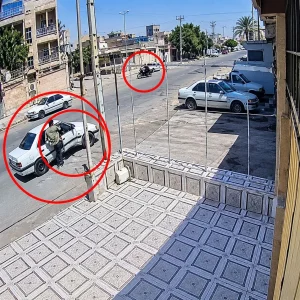
- Zolfaqar Sharifi, a 7-year-old Arab child, was killed by direct gunfire from security forces. His body was left by the roadside, and no independent investigation into his death has been conducted.
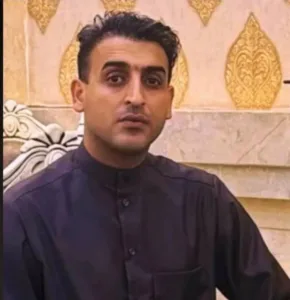
- In a separate incident, Reza Naseri Mofrad (Hamidavi), a 21-year-old Arab from Abadan, was shot and killed by Basij forces. This killing, too, went uninvestigated and unpunished.
Social Collapse: Self-Immolation and Suicide
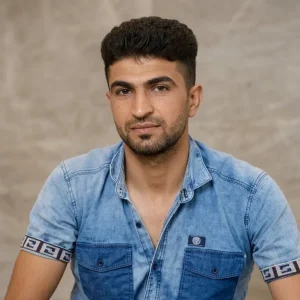
- Ahmad Baladi, a young Arab from Kut Abdullah, died by self-immolation due to pressures from municipal authorities.
In recent months, a worrying wave of suicides has been reported among young people across the Ahwaz region, all resulting from desperation, discrimination, and lack of basic psychosocial support services.
Mass Arrests and Transfers to Sheiban Prison
Following the twelve-day war, dozens of Arab citizens were arrested without judicial warrants, and many were transferred to Sheiban Prison.
Amidst ongoing war, economic crisis, internet censorship, media repression, destructive environmental policies, and rising execution rates, 2025 has become one of the darkest periods for human rights in Iran.
The Islamic Republic has failed to protect the basic rights of its people and remains the largest violator of human rights and the primary source of insecurity in citizens’ daily lives.
Demands of the Karun Human Rights Organization
- Immediate halt to the execution of Arab political prisoners.
- Formation of an independent fact-finding committee to investigate post-war killings, including those of Zolfaqar Sharifi, Reza Naseri Mofrad (Hamidavi), and Ahmad Baladi.
- Urgent response to the mental health crisis in the Ahwaz region and provision of access to medical and psychological care.
- Immediate and unconditional release of all arbitrarily detained individuals.
- International pressure on the Iranian government to end systemic discrimination and repression against the Arab population of Ahwaz.
On Human Rights Day, we reaffirm that human rights are not privileges but inherent rights of every individual.