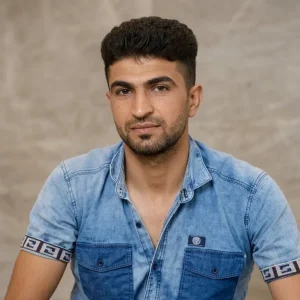
The family of Reza Naseri-Mofrad (Hamidawi), a 21-year-old Ahwazi Arab man who was fatally shot by “Basij forces” on the night of Wednesday, June 25, 2025, in Abadan’s Pirooz Street, has called for full accountability and the prosecution of those responsible—despite mounting security pressure and financial offers aimed at silencing their demands.
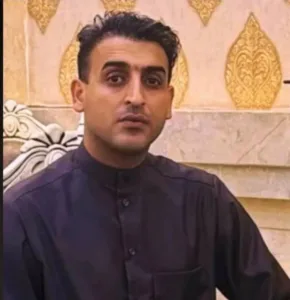
In a video posted on Instagram, Reza’s father, Mohammad Naseri-Mofrad, addressed judicial authorities, saying:
“Reza’s blood will not be forgotten. We will not rest until justice is served and the killer of my son is held to account.”
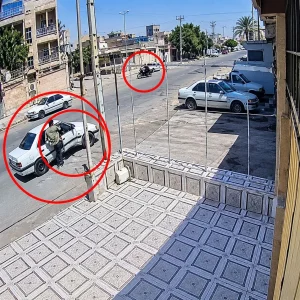
According to available information, Reza—born in “Abadan” and a resident of “Shahinshahr”—had travelled to his hometown to visit family and see his ill grandfather. He was shot at a non-official checkpoint near Pirooz Mosque and Cinema by Basij members in civilian clothes using an unmarked vehicle, despite the fact that the shooters had no judicial warrant or legal authority to conduct such an operation.
One of the shooters initially claimed the shooting had been “accidental due to the vehicle hitting a bump,” but the first forensic report refuted this account, concluding that the shot was deliberate and unlawful. A second report, issued after security interference, overturned the initial findings.
Hours after the incident, the IRGC Intelligence Office in Abadan claimed to have found a “micro-drone, explosive detonators,” and documents suggesting “collaboration with Israel” in Reza’s car—allegations that have never been substantiated in court or shown to the family. Lawyers and human rights groups have described these accusations as entirely fabricated and intended to justify the killing.
Reza’s body was returned to the family five days later and he was buried on July 1, 2025. His grandfather passed away four days after the funeral.
Although the judge of Branch 2 of the Ahvaz Military Court has reportedly assured the family that “the blood of an innocent man will not be ignored,” the family continues to face persistent pressure to forgo legal action and accept “consent” in place of demanding retribution.
The Naseri-Mofrad family insist that they will pursue the case until the perpetrator or perpetrators are fully prosecuted and punished, and have refused to abandon their fight for justice.