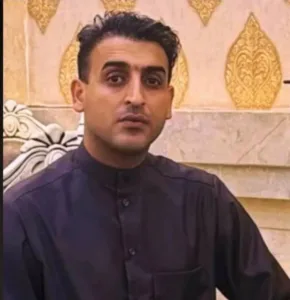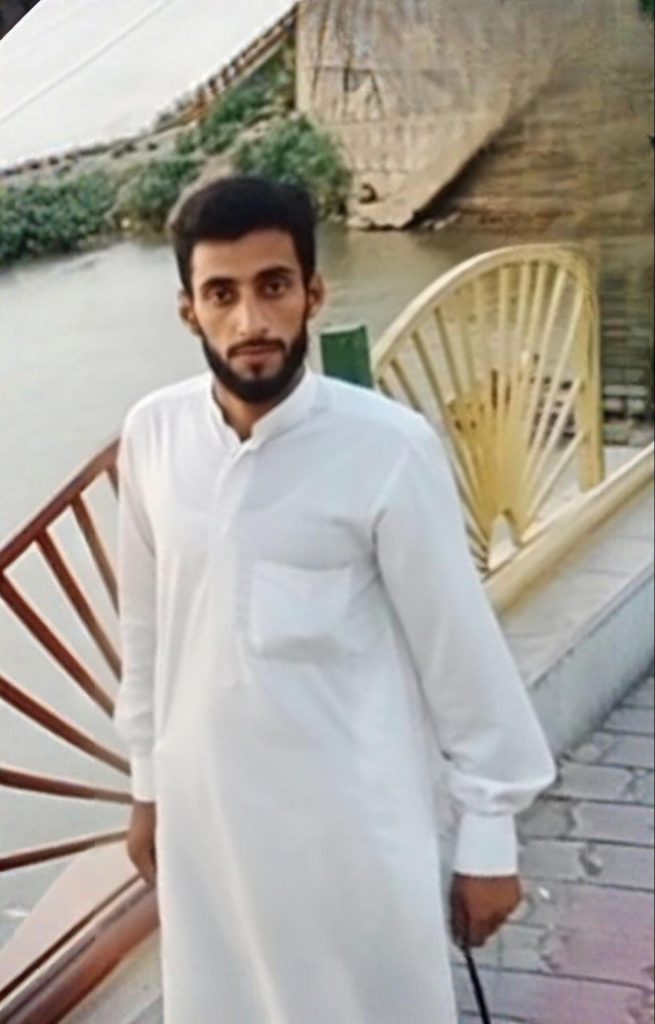
According to reports received by the Karun Human Rights Organization, Towfiq Baledi and Khalil Marwani, two Ahwazi Arab political prisoners, were transferred suddenly and without prior notice from Sheiban Prison in Ahwaz to Yasuj Prison.
According to the report, both prisoners had been sentenced to 15 years in prison on charges of “membership in insurgent groups and opposition to the Islamic Republic of Iran.”
Their transfer to a prison far from their families’ place of residence was carried out without prior notification and in violation of the regulations of Iran’s Prisons Organization.
Informed sources assess this transfer as part of an escalating pattern of security pressure against Arab political and ideological prisoners.
Exile of Arab Political Prisoners to Arak Prison
In a separate case, Mokhtar Alboushoukeh and Nazem Bereihi, two Ahwazi Arab political prisoners sentenced to life imprisonment, were transferred on Tuesday, 26 January 2026 (7 Bahman 1404) from Sheiban Prison in Ahwaz to Arak Prison.
This transfer occurred despite the fact that Mokhtar Alboushoukeh has been imprisoned since 2011 without a single day of leave, and suffers from a hernia. Reports indicate that recent torture carried out by the Public Security Police (VAPA) as part of a newly fabricated case has led to severe infection and a serious deterioration of his physical condition.
Nazem Bureihi, who has been imprisoned since 2005, ended a 10-day hunger strike on Sunday, 21 December, after receiving promises from security officials that his name would be included on a list for amnesty or sentence reduction.
According to the report, during the hunger strike, a representative of the Ministry of Intelligence met with him twice and made similar assurances to him and his co-defendants.
Systematic Use of Exile as Collective Punishment
The exile of political prisoners to remote prisons is a common form of additional punishment, aimed at severing prisoners’ contact with their families, increasing psychological pressure, and restricting access to legal support. This practice violates international human rights standards as well as Iran’s own prison regulations.
The Karun Human Rights Organization has expressed serious concern over the situation of these prisoners and has called for:
- the immediate revocation of their exile,
- their return to prisons near their families’ places of residence,
- guaranteed access to basic prisoners’ rights, and
- an end to punitive and security-driven treatment of political prisoners.