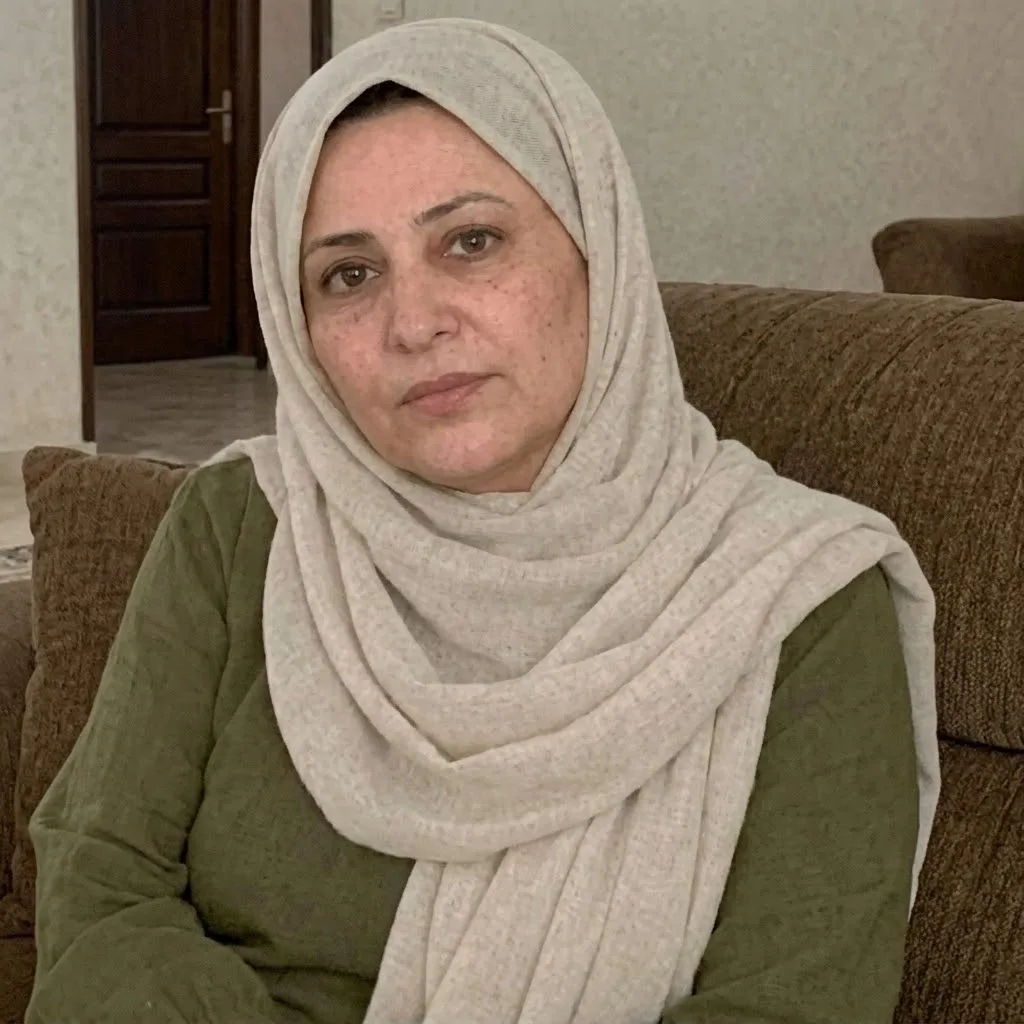
In the early hours of Wednesday, September 30, 2026, the death sentence of an Ahwazi woman named Ashraf Faraji was carried out in Sari Central Prison.
This execution took place despite her suffering from psychological disorders. Ashraf Faraji, 57, originally from Ahwaz and residing in Sari, was a mother of four. She had previously been arrested for the “premeditated murder” of her husband during a family dispute and was sentenced to death by the Iranian judicial system.
Disregard for Medical and Psychological History in Judicial Proceedings
Reliable information indicates that Ms. Faraji had a history of mental illness and was continuously under the care of a specialist. Nevertheless, the court and judicial authorities handling her case condemned her to the harshest punishment—death—without considering her medical history, her mental state at the time of the incident (which could have a direct impact on her criminal responsibility), and ignoring the pressures stemming from domestic disputes.
The Karoon Human Rights Organization emphasizes that executing individuals suffering from mental disorders is a clear violation of international human rights laws, including the International Covenant on Civil and Political Rights. Furthermore, within the Iranian judicial system, women are often the primary victims of discriminatory laws and the lack of supportive institutions against domestic violence. The failure to differentiate between degrees of murder and the mechanical application of the “Qisas” law leads to women who commit crimes in situations of psychological crisis or in self-defense within dangerous domestic environments being executed without fair trials and without examining the psychological and social roots of their crimes.
This organization strongly condemns the execution of Ashraf Faraji and calls on the international community to pay attention to the dire situation of imprisoned women and the rampant application of the death penalty, particularly against individuals with mental illnesses in Iran.