
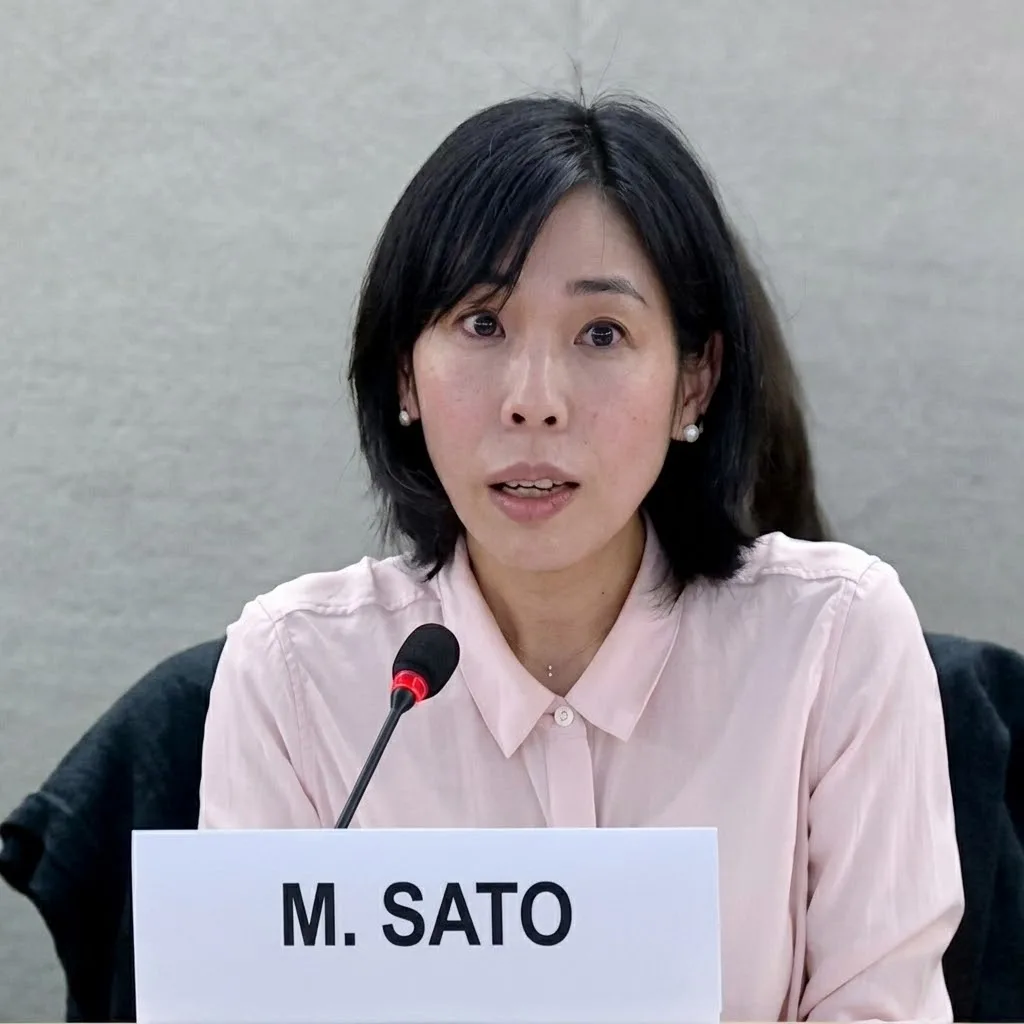
In a report published on October 1, 2023, UN Special Rapporteur on Human Rights in Iran, Majid Sato, expressed concern over the “systemic barriers to fair trials” faced by ethnic and religious minorities in Iran, particularly in cases leading to the death penalty.
Sato’s report examines the situation of Kurds, Baluchis, Arabs, Turks, and Turkmen, emphasizing that discrimination against these groups encompasses various areas, including restrictions on language use, negative portrayals in state media, economic marginalization, land confiscation, and environmental degradation.
The Special Rapporteur also noted that many Baluchis are deprived of identification documents, which limits their access to education, healthcare, and formal employment.
Additionally, the report highlights that Kurdish porters and Baluchi fuel carriers often rely on transporting goods and fuel in border areas to make a living.
Sato further investigated the status of religious minorities, including Baha’is, Christian converts, Sunni Muslims, and Yarsan followers. He stated that Baha’is are effectively barred from accessing higher education and employment in the public sector, while other religious minorities face restrictions in accessing government positions.
The UN Special Rapporteur emphasized that “discrimination against minorities does not cease outside the criminal justice system” and can impact all stages of legal proceedings, from arrest and interrogation to detention, trial, and sentencing, including death sentences.
According to the report, members of ethnic groups facing capital charges may encounter issues such as inadequate access to interpreters during interrogations and court sessions, allegations of torture and mistreatment to extract confessions, and prosecution based on national security-related charges.
Sato referenced the case of Farhad Baranzahi, a Baluchi youth sentenced to death on charges of “baghi” (rebellion), noting that he was reportedly tried without the presence of a lawyer.
The report also mentions Hatem Ozdemeir, a Kurdish citizen from Turkey, who was denied access to an interpreter during critical stages of the proceedings that led to his death sentence.
Sato also highlighted the claims of Youssef Ahmadi, a Kurdish prisoner from Baneh, regarding severe torture after his arrest and denial of medical services. The cases of Raouf Sheikh-Ma’roufi, Mohammad Faraji, and Mohsen Eslamkhah, three Kurdish prisoners sentenced to death in connection with the “Women, Life, Freedom” protests, were also referenced in the report.
Documented patterns of ethnic and religious discrimination, along with frequent reports of torture, coerced confessions, and violations of the right to fair trial in individual cases, raise serious concerns about the application of the death penalty against minority members in Iran.
Cases involving the death penalty, regardless of the subject matter, require the most rigorous and stringent scrutiny under international human rights law. These factors provide compelling reasons for special, thorough, and stringent oversight of death penalty cases involving ethnic and religious minorities.