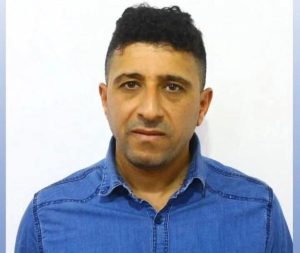
Ali Heydari
Following the recent 12-day war, the Islamic regime’s security and judicial apparatus launched a widespread wave of arrests across Iran on fabricated charges.
Accusations such as “collaboration with Mossad” or “espionage for Israel” became a pretext for the severe repression of dissidents, civil activists, journalists, and even ordinary citizens. The process of extracting forced confessions through physical and psychological torture, threats against families, and the broadcast of these confessions on state media once again exposed the repressive face of the regime. At the same time, a new wave of issuing and carrying out death sentences against political and ideological defendants has intensified the atmosphere of fear and intimidation in society. Once again, Iran’s prisons have become centers for implementing policies of suppression, revenge, and the humiliation of political opponents.
Constant Pressure During Imprisonment
Even after sentencing and the transfer of prisoners to prison facilities, the judiciary of the Islamic regime does not stop the process of torture and abuse. This torture is not only in the form of beatings and violent interrogations, but also through the systematic deprivation of the most basic human needs: denial of medical care, neglect of sanitary conditions, lack of proper toilets and bathing facilities, inadequate and unhealthy food, severe overcrowding, small exercise yards, limited outdoor time, and the absence of cooling systems—especially in prisons in hot regions such as Ahwaz.
Reports by the Karun Human Rights Organization on Sheiban Prison in Ahwaz show that Ward 5, designed for a maximum of 100 prisoners, now holds over 125 political prisoners. Each room has an area of less than 20 square meters, while the global standard is to house 12–15 people in such a space. In practice, some rooms contain more than 20 inmates, turning the prison into an inhumane collective cell.
This situation represents a clear example of a “prison–cell” collective system. Other reports from various prisons, such as Iranshahr Prison, document ongoing torture, denial of medical care, and insufficient staff in prison clinics.
Destructive Impact on Body and Mind
The testimonies of numerous freed political prisoners show that they never regain their former health or abilities. Chronic physical illnesses, mental disorders, depression, and severe anxiety are direct consequences of life under the conditions of the Islamic regime prisons. This systematic torture is deliberately designed so that prisoners, after release, are unable to resume their previous activities, while their financial and family problems increase. The alarming rise in suicides among young political prisoners after release is further evidence of the devastating nature of this approach.
Systematic Humiliation
The inhumane treatment of political prisoners is not only aimed at physical torture but also at psychological and social degradation. Prison authorities, through insults, beatings, prolonged solitary confinement, and endless restrictions, attempt to cement the public image of these prisoners as “defeated” individuals. This organized humiliation sends a warning message to society—especially to the younger generation—that political activism and protest will lead to the destruction of one’s dignity and freedom.
In the book “Evin Prison Bakers Club” by Sepideh Gholian, harrowing accounts of torture, forced confessions, and the psychological damage inflicted on female prisoners are depicted. Many critics and human rights activists have evaluated this book as a first-hand testimony of the condition of political prisoners and human rights violations in Iran. The book is also recognized as an example of resistance against political and social repression.
Ideological Approach Toward Political Prisoners
In the mindset of the Islamic regime’s judiciary, a political prisoner is not a human being with legal rights and inherent dignity, but rather an “enemy of God” and “seditionist” who must be stripped of all human rights. From their perspective, allowing such a person to live is a form of “Islamic mercy,” and prison must be a place where the inmate tastes death every day. In such a system, torturers are not held accountable; instead, they are often praised and promoted for their “harshness” toward dissidents.
This perspective has turned the prison system of the Islamic Republic into a legacy of ideological repression, with no prospect for the implementation of justice.
The Outlook for the Future
Ultimately, it must be emphasized that the judiciary officials, prison authorities, and their allied security forces are among the most criminal elements of the Islamic Republic. Their countless crimes and acts of violence against prisoners—especially political prisoners—are not only violations of the law, but deliberate and blatant breaches of human rights. These individuals have knowingly and with political intent created conditions that can be described as continuous, organized torture.
In the aftermath of the Islamic regime’s downfall, prosecuting these individuals must be a priority for the new system. This process should not merely be an act of revenge, but part of a broader framework of “transitional justice” and the establishment of the rule of law. The fair trial and punishment of human rights violators will not only provide justice for victims and their families but also send a clear deterrent message to officials of the new system: no authority or institution is above the law, and the repetition of such crimes will never be tolerated and will carry legal consequences.
The experience of various countries shows that if the perpetrators of atrocities go unpunished, the seeds of similar tragedies will be sown for future generations. Therefore, prosecuting the officials and torturers of the Islamic regime’s prisons is a historical necessity—a necessity for preserving collective memory, healing social wounds, and ensuring that prisons never again become a “silent hell.”
Addressing the cases of torturers and those who ordered torture is a fundamental step toward establishing a society based on law, transparency, and human dignity.